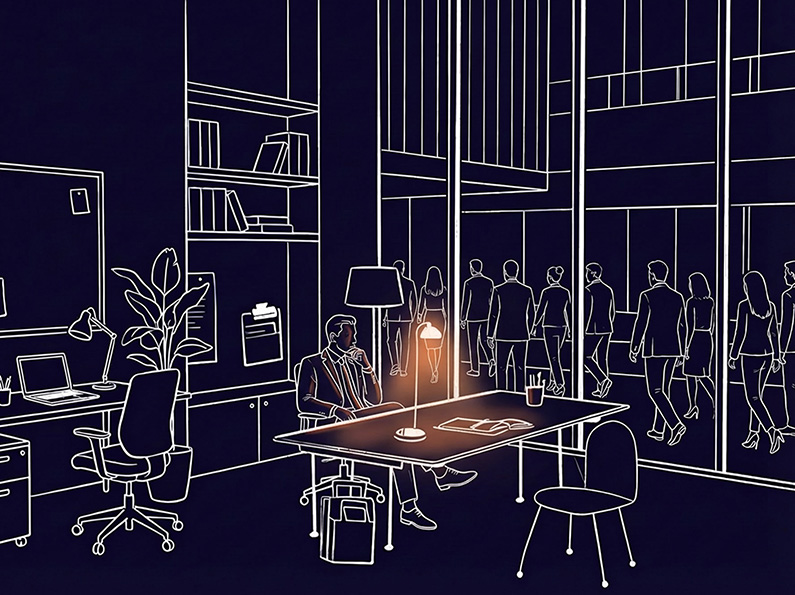
How responsibility dissolves in an age of autonomy, hybrid rhythms and digital hiding places.
In hybrid work cultures and digital environments, ownership evaporates: taking responsibility becomes ever less self-evident. Teams fragment, communication impoverishes and autonomy often transforms into non-commitment. Responsibility only re-emerges when people meet one another, name boundaries and are willing to have difficult conversations.
There was actually nothing special about last Thursday. Two good conversations with two good friends, a glass of wine, some nuts, a meal and a few loose observations you'd normally forget straightaway. Yet something stayed with me. Something that went deeper than the life stories we exchanged with one another.
It began with a conversation about responsibility. A word that in organisations often sounds as though it's a moral elevation, whilst in practice it's often treated like a hot pancake. Everyone quickly passes it on to the next person.
I let slip that reliability for me coincides with a simple definition. 'As a person or entrepreneur you do what you say and what you promise'. Nothing more, nothing less. My friend nodded and said he sees the same thing: promises are made in meetings, but they dissolve as soon as the meeting is over. Deadlines are suggestions. Commitments are without consequences. And the blame for whatever lies always somewhere else.
It sounded as though he was describing an organisation that's slowly emptying out. Not in terms of personnel, but in terms of backbone.
The choreography of evading responsibility
This isn't a stand-alone incident. This is a pattern that has spread widely. The Dutch are internationally known as level-headed and direct. Yet years of research show that in the workplace we display remarkably little ownership.
Gallup demonstrates this year after year in the State of the Global Workplace reports. Only 16 per cent of Dutch employees feel genuinely engaged with their work. That figure has been consistent for more than a decade and invariably ranks amongst the lowest engagement percentages in the world.
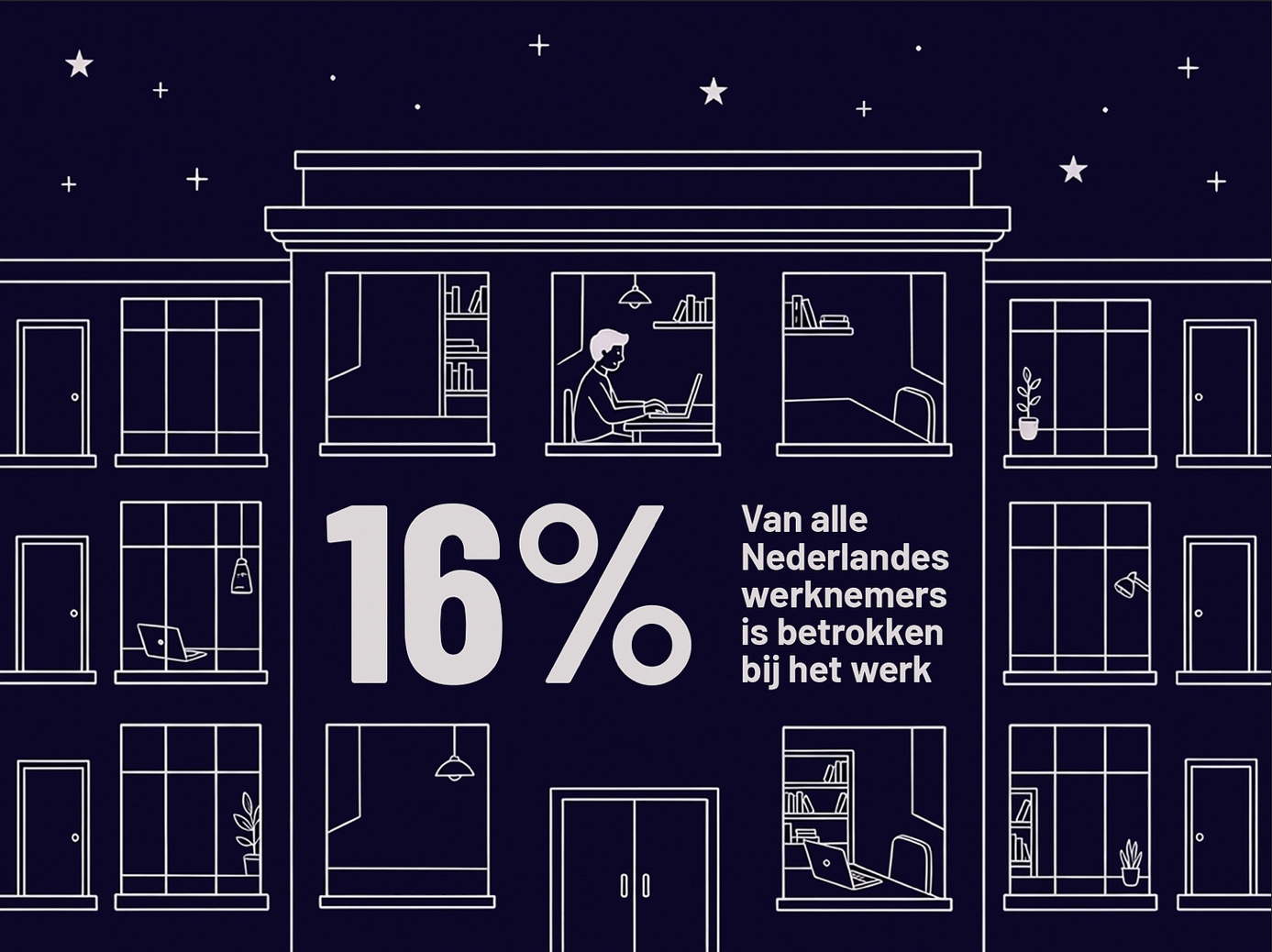
Engagement isn't a cosiness metre. It says something fundamental about taking responsibility. Those who lack engagement take no initiative and don't tackle problems.
Responsibility then becomes a kind of smoke. Everyone senses it's hanging somewhere, but no one catches it. It drifts between teams, hides behind protocols and seeks space in the meeting language that never wants to become concrete enough.
I see it in almost every organisation I move around in. The larger the structure, the greater the tendency to duck away. This doesn't happen from unwillingness, but because the system invites invisibility.
The working-from-home bubble as a safe hiding hut
Since mass hybrid working, something subtle has also changed. It's something you don't immediately notice, but that slowly creeps into the pores of work culture.
Working from home made everyone more efficient. During travel time there's less noise and fewer interruptions. But it also took something away. Hybrid working has removed the social correction.
TNO researched the impact of hybrid working extensively. In the report Werk in Transitie the authors describe that 33 per cent of managers see a clear decrease in spontaneous collaboration within teams. Twenty-seven per cent of employees indicate being less proactive since they've been working from home more often. Homeworkers also more frequently lapse into private activities that disrupt their work.
The figure is dismaying. It's not that working from home is bad, but it does show how quickly behaviour changes when no one maintains direct oversight any longer.
Hybrid working has also made our world smaller. We began living in digital silos. Meetings became functional, consultation became compressed and soft signals disappeared. No one notices when you show less initiative. No one notices if you're only reacting. That's precisely where responsibility hides itself most easily. In silence.
The fault lines between generations become visible more quickly
The differences between generations aren't growing larger because a new generation emerges every two years. This isn't the way generations function. What does happen is that the differences between generations manifest themselves much more quickly than previously. This is entirely explicable from research into work culture and labour market development.
The first factor is technology. Younger groups of employees often enter companies with an entirely different digital frame of reference. It isn't intended as a supplement to their work, but as the foundation of their work. Information is processed differently. Communication proceeds via different channels. The speed at which they adopt new tools is higher than ever. As a result their work style changes more quickly than organisations can keep pace with.
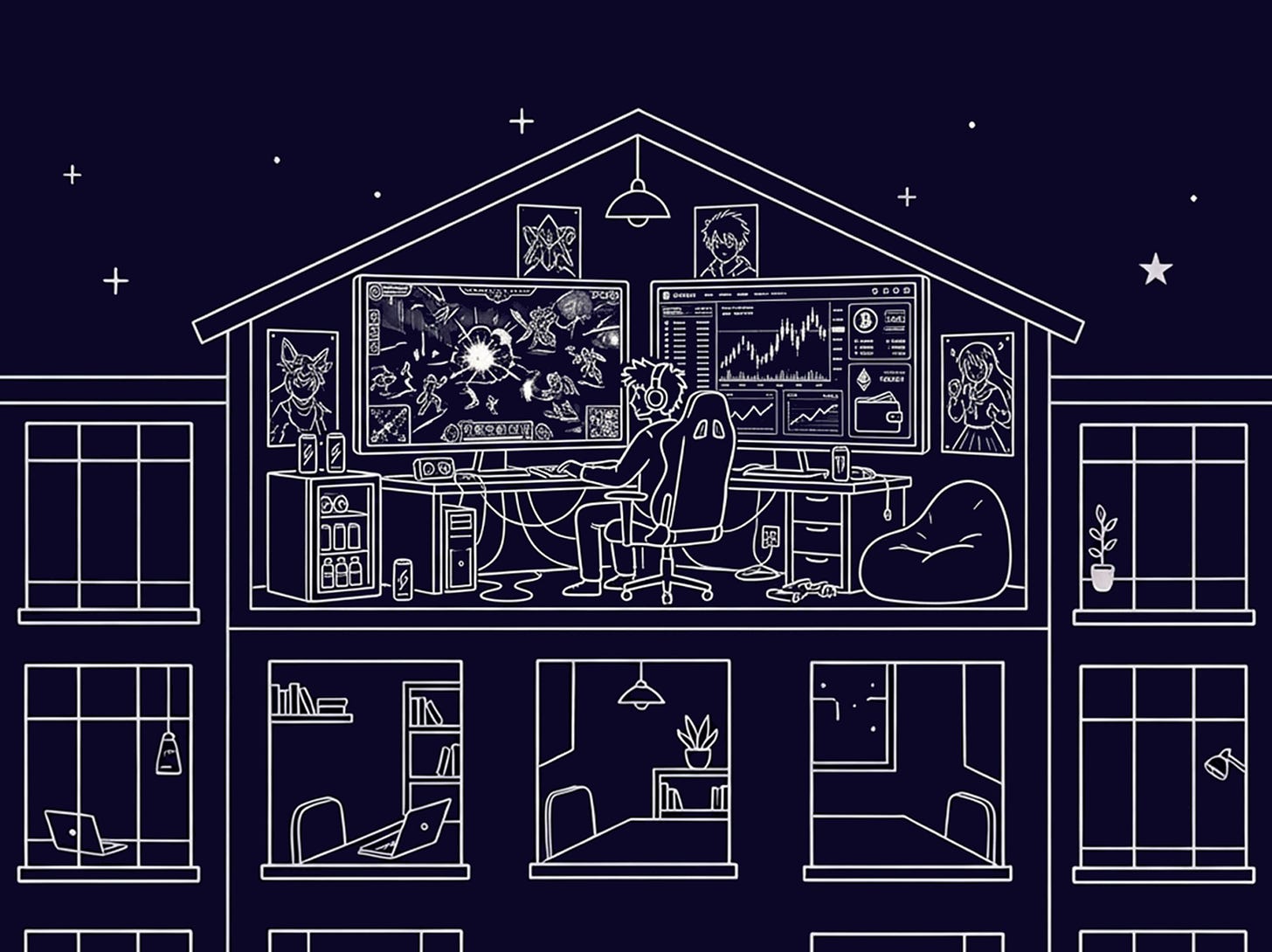
The second factor is the value shift. Research shows that themes such as mental health, autonomy, flexibility and work-life balance have become essential conditions for younger employees. Older generations were formed in different economic contexts, with different certainties and different ideas about working. These differences aren't new, but they now come to the fore much more quickly and sharply.
The third factor is the labour market. Due to structural scarcity, younger employees have more room for negotiation. That changes the relationship with employers. Loyalty has become less self-evident. Learning curves proceed more quickly. And the threshold for switching function or organisation is lower than ever.
Together these factors don't form a new generation; they form an acceleratedly shifting expectation landscape. That landscape is increasingly difficult for employers and managers to navigate. Not because employees are difficult, but because their starting points diverge.
That's precisely why responsibility isn't an individual preference. It's the connective tissue that prevents teams from falling apart into separate rhythms, separate expectations and separate realities.
Teams only remain teams if people jointly determine how they want to collaborate. Which agreements the team members consider important. The rhythm they need.
Not from generational differences, but from a joint contract.
A case from higher education
That same evening I also spoke with the friend who a few months earlier had been appointed as a manager within a larger higher education institution. He came in hurriedly, as though the gravity on his shoulders stood just slightly higher than on the rest of us.
He told me the institution was in administrative difficulties. The director had resigned from his position. The management team knew little direction. The meetings were chaotic and without clear decision-making.

And beneath that sat the real problem. Islands. Teams that live past one another. Departments that invoke their own traditions. The sentence he heard most often was: 'We've been doing it this way for 10 years.'
According to him no one wanted to be the owner of anything. Yet the same people stood at the front when it came to their rights or hours. A mirror-image version of responsibility.
It sounds anecdotal, but it aligns closely with broader research results. Gallup shows that 70 per cent of team cohesion is directly dependent on the manager, whilst managers in Europe are amongst the least engaged groups. When engagement declines, collaboration in teams almost always collapses along with it. What my friend described was therefore no coincidence, but a pattern that's visible in many workplaces.
The organisation this friend described isn't an organisation that's unlucky. It's an organisation that does precisely what large systems often do. Responsibility evaporates to molecular level.
A culture of softening
There's something else at play. Something uncomfortable.
Increasingly, people use their background, identity or personal challenges to explain their behaviour. 'Yes, but in our culture that's how we do things.' Or: 'Yes, but I have this limitation, so you'll need to accommodate that.'
It's slippery terrain. Understanding and empathy are essential. But the moment an explanation replaces responsibility, we shift from maturity to non-commitment. Everyone these days seems to have a unique reason for something's failure. The effect is simple: we create a society that shows endless understanding but hardly sets any boundaries. Responsibility only thrives in environments where clear boundaries exist.
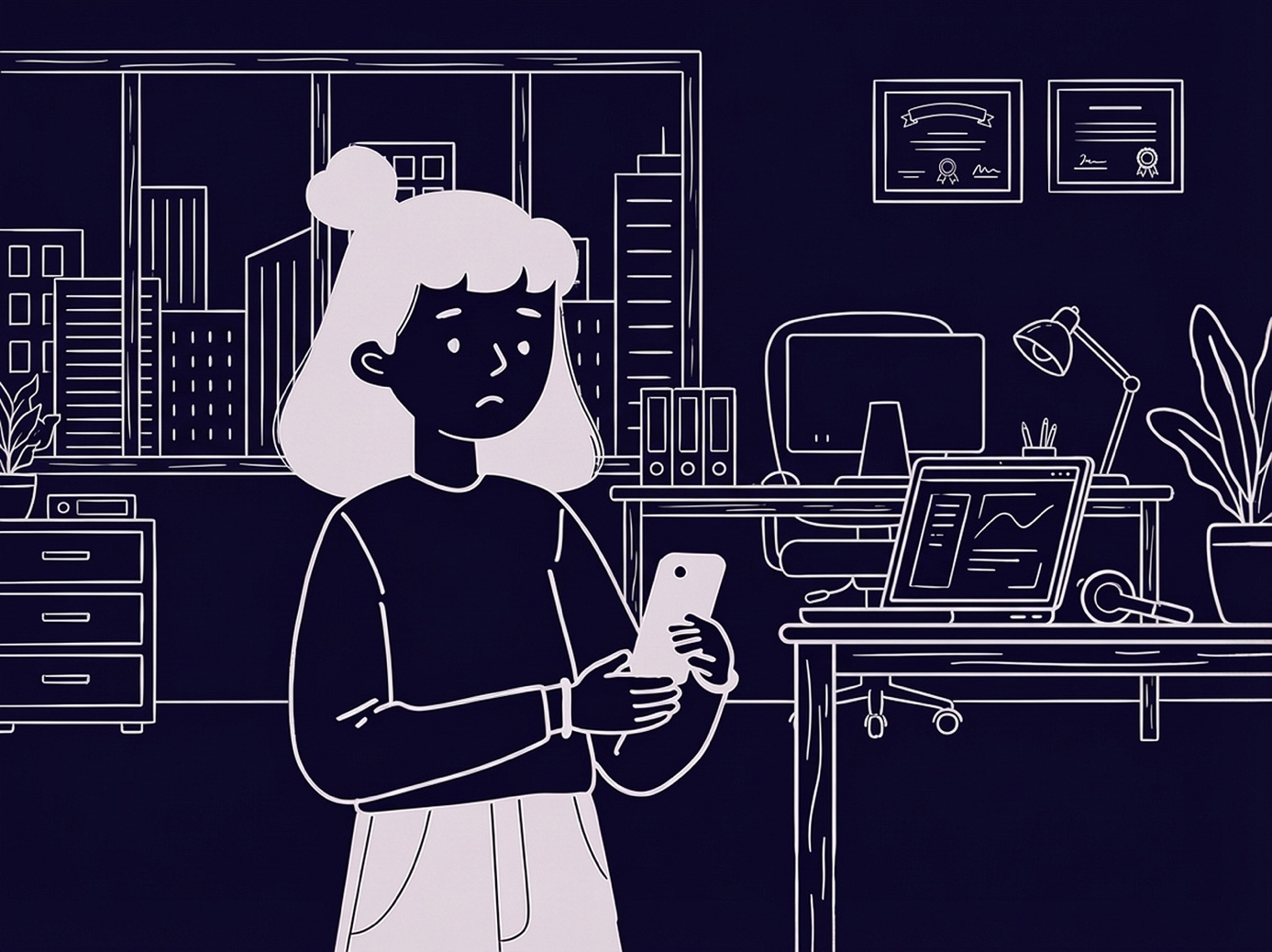
Our capacity to bear responsibility has not only been eroded by our behaviour and culture. A structural factor has also been added that's far less visible, but perhaps even more harmful. The promise of efficiency. The promise of digital tools. The promise of autonomy.
The grand promise of digital efficiency
We live in a time when every problem is approached as a workflow question. You need only sigh about workload and there's always someone who suggests putting it in Slack, Miro or Notion.
The modern toolkit is endless. Slack, Teams, Trello, Asana, Miro, Notion, Jira, Confluence, Discourse, Airtable. Moreover, there's the new generation of AI tools, which are presented virtually daily as a messiah. The promise always remains the same: it becomes easier, it becomes more efficient and it becomes clearer. The effect is often precisely the opposite.
The psychological impact of these tools is scarcely discussed, let alone understood. We don't become more responsible, but rather more diffuse. It's somewhat more autonomous, but also more fragmented. Not clearer, but splintered.
TNO has established in its research into digital workload that the number of stimuli, notifications and digital micro-tasks actually lowers the experienced autonomy. People gain more control on paper, but experience less direction in their thoughts.
Autonomy has become an illusion. You do decide on the tool you use, but no longer on the purpose you serve.
The paradox of digital autonomy
In theory, these tools ought to help us collaborate. In practice, the opposite happens. Everyone has preferences, everyone has habits, everyone develops their own digital territory. It's the same reflex as with islands in organisations, but in digital form.
You increasingly hear statements like: 'I don't work with that.' 'I've turned all my notifications off.' 'We do it differently.' 'Can't you just convert this to our tool?'
What used to be a shared meeting table has now transformed into a collection of parallel systems. Tools that don't speak to each other, teams that don't see each other and agreements that remain suspended. Every digital choice becomes a micro-identity.
Home working has strengthened this movement. Behind the kitchen table, every employee becomes a small independent with their own digital preferences.
The irony is that systems designed to structure responsibility ultimately mainly obscure responsibilities. A missed update leads to miscommunication. An unread task becomes a tool setting. A forgotten appointment becomes a notification problem. Tools make responsibility fluid. And what becomes fluid can flow anywhere, except towards the person who must bear it.
Why ownership disappears
The second layer of this problem goes deeper than digital fragmentation. It's the psychological attitude that lies beneath. The conviction is that responsibility must feel like freedom, choice and autonomy.
But responsibility isn't a choice. It's a role, an agreement, a moral obligation.
Yet we've become a culture in which everything must suit the individual. Work culture has become soft, but also diffuse. There's understanding for everything, provided it doesn't chafe. And when it does chafe, emotions often escalate quickly.
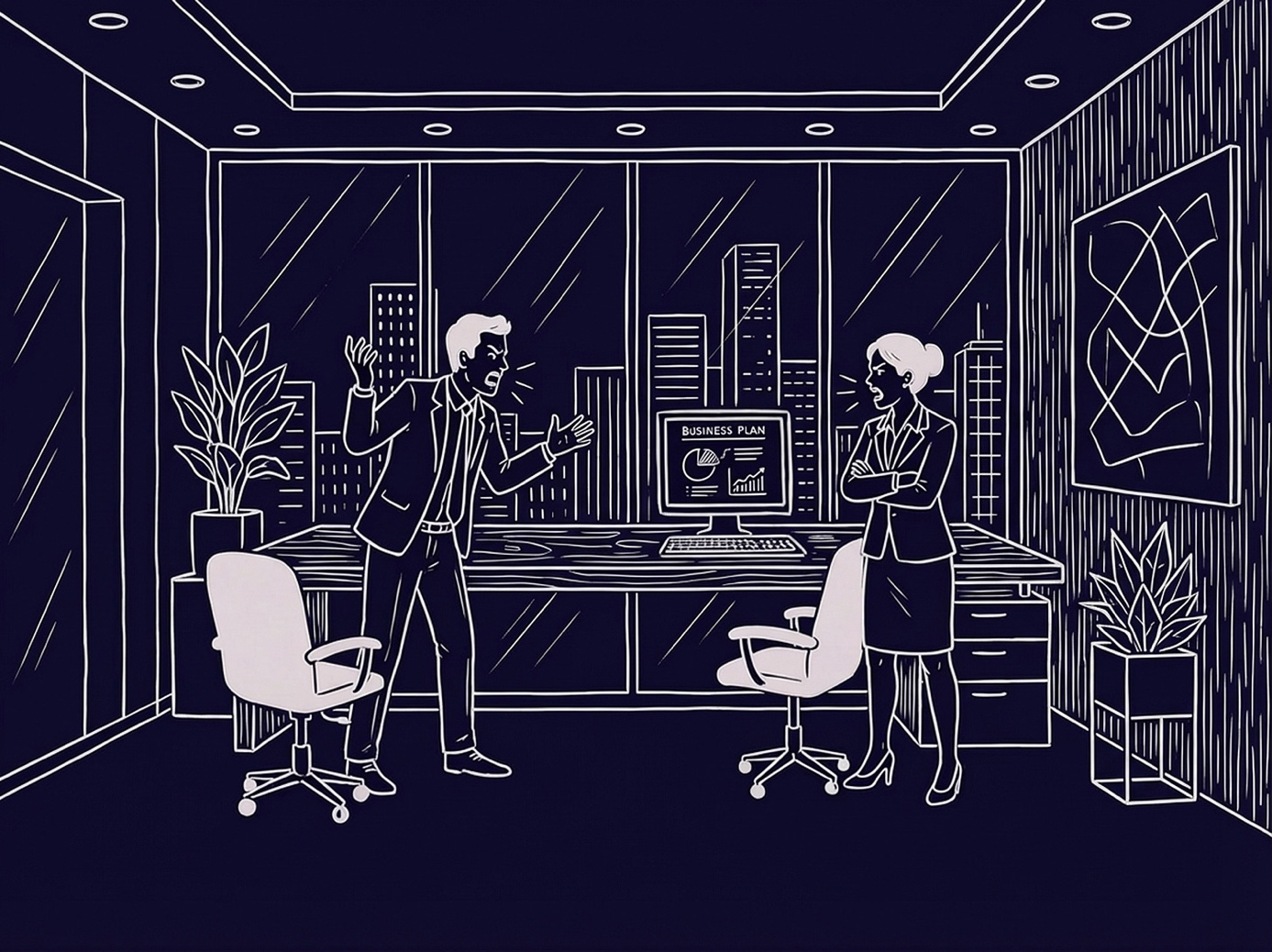
The Social and Cultural Planning Bureau calls this 'collective norm erosion' and points to the growing discrepancy between people's expectations and what they give back to their organisation. The more acquired rights we have, the less inclined we are to keep our duties sharp.
It's not meant cynically. It's an observation. Society, which is organised around comfort, flexibility and personal preferences, struggles to connect people to something larger than their own agenda.
How systems evaporate responsibility
Large organisations have always struggled with taking responsibility. The combination of hybrid work culture and digital tools has accelerated the effect. Three processes play a role in this.
Firstly: fragmentation of communication. What used to be a conversation is now divided across ten channels. A question becomes a thread, a decision becomes a board, an assignment becomes a card. And responsibility becomes a fog bank that hangs in multiple places simultaneously.
Secondly: dilution of social cohesion. The kitchen table makes everyone autonomous, but no one connected. Without physical contact, responsibility becomes less clear. Teams become a collection of individuals without common rituals.
Thirdly: displacement of the blame question to technical settings. Where previously someone simply forgot to respond, it's now a 'setting', a 'bug', a 'mute', a 'filter'. Software becomes the perfect hiding place. And responsibility doesn't like hiding places.
The larger question: what remains then?
What does responsibility still mean in a world organised around convenience, autonomy and digital fragmentation?
The answer is simpler than it seems. Responsibility is precisely that which cannot be automated, delegated, filtered out or outsourced to a tool. It's the human layer that remains standing when the software fails.
And perhaps that's the greatest discomfort of our time. We've bought the illusion of overview, but the fundamental skill of bearing responsibility is slowly disappearing.
The grammar of recovery
There's another layer I cannot skip. A layer that has nothing to do with organisations, management or digital systems. A layer that lies much closer.
My own recovery over the past year.
Not as a dramatic intermezzo, but as a counterweight. Because the reality of rehabilitation after acquired brain injury forces you to take responsibility in a way you cannot postpone, displace or delegate.
Where organisations dilute responsibility, personal responsibility during rehabilitation becomes concentrated. It becomes raw, direct, inescapable.
After a brain haemorrhage, your body determines what your tempo is. Your brain determines how long you can focus. Your energy determines which conversations you can handle. And your boundaries determine how honest you must be, even when that's uncomfortable.
There exists no hiding place, no notification policy, no digital tool that takes it over from you. Those who don't pay attention collapse. Those who do too much pay for it immediately. Those who overestimate themselves feel it the same day.
Rehabilitation is responsibility in its purest form. Not elevated. Not heroic. Simply inevitable.
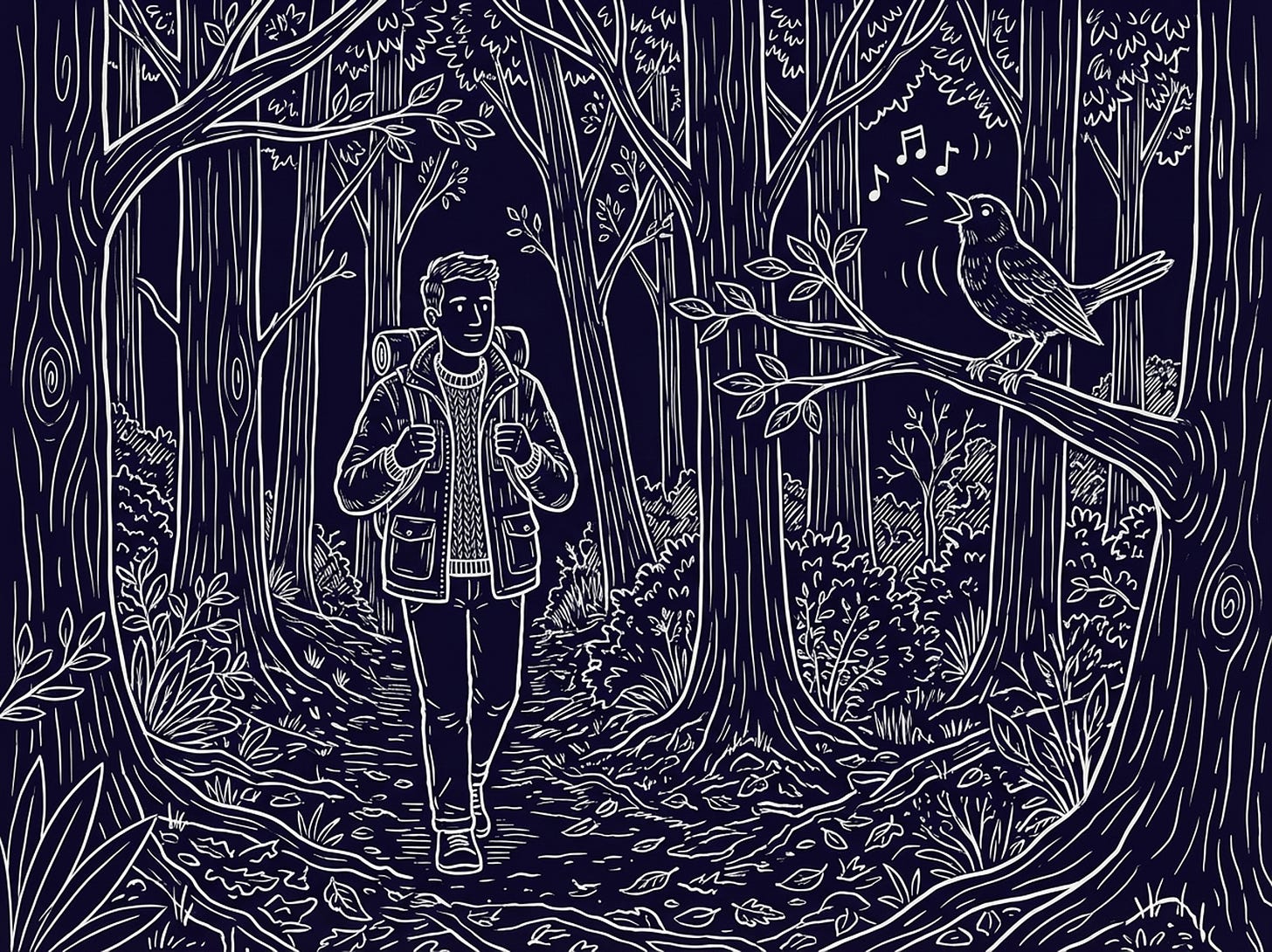
You learn anew to look at life. You learn anew to listen to signals. You learn anew to name what does and doesn't work. And that's perhaps the most mature form of responsibility a person can experience.
In my journals, which were the anchor beneath my recovery for a year, I see that pattern returned. A continuous confrontation with boundaries, a growing honesty. And in that honesty lies a sort of clarity I scarcely see anymore in organisations.
It's the same clarity that's absent in many teams. Because no one names what's really happening. Because everyone turns, softens or looks away. Because systems and cultures obscure responsibilities. Those who rehabilitate cannot afford that.
The shock in the contrast
That's why it struck me when I slowly returned to work. I stepped into business environments with a brain that had been trained for months on directness, boundaries, honesty and concrete action. And I saw something I hadn't seen before, or to which I'd perhaps been blind.
The shifting of responsibility towards abstract concepts. The vague language obliges no one to anything. The endless meetings without final conclusion. The islands that tolerate each other politely, but never truly collaborate. The digital cultures of actually we've always done it this way fragment everything.
Where my rehabilitation forced me towards clarity, I saw organisations retreating into the mist.
And then it became uncomfortable. You can hardly return to a professional world in which responsibility has become voluntary, when you've just lived a year in a world in which responsibility is indispensable.
That contrast forces reflection. Not only about my own recovery, but also about the way teams and organisations function.
The diagnosis behind the behaviour
If you want to understand responsibility, you must look at three things. Not at systems or tools, but at human behaviour.
We avoid vulnerability. Taking real responsibility means that you become visible, that you put your name to something, that you take a risk. The work is organised around avoiding risks, confrontations and tension.
The Social and Cultural Planning Bureau describes this in its research into social engagement as an 'increase in conflict avoidance in professional settings'. That sounds abstract, but it mainly means that no one takes the first step anymore. Responsibility demands precisely that step.
We confuse autonomy with non-commitment. Hybrid work and digital tools have created a paradox. People feel more autonomous than ever, but behave more non-committally than ever. The illusion of freedom of choice creates no ownership. Autonomy without responsibility is not freedom, but individualism. And individualism is a poor basis for collaboration.
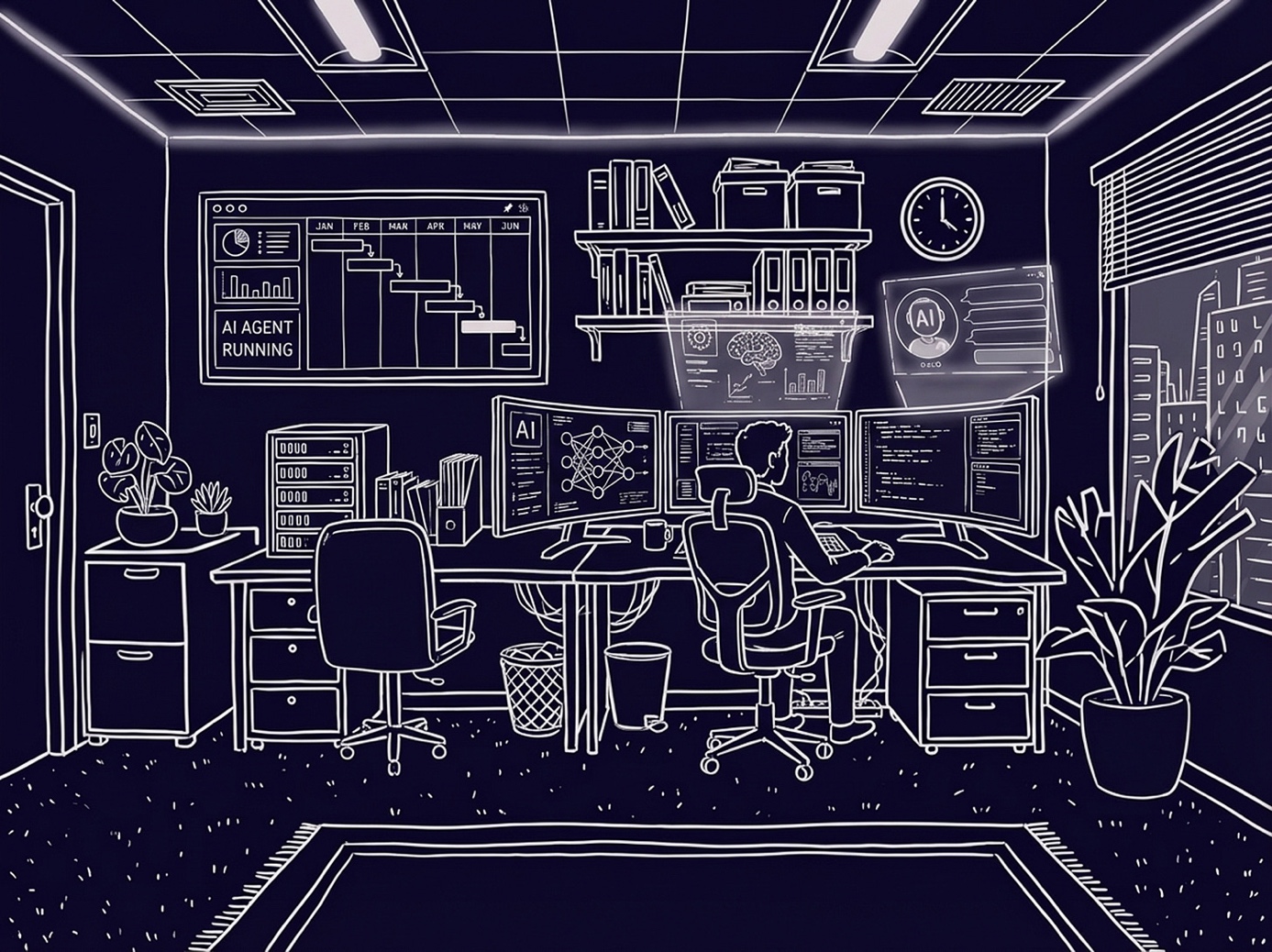
TNO demonstrates that generative AI is significantly changing the way we work. Routine tasks are decreasing and employees are gaining more autonomy and more complex responsibilities. That offers opportunities, but also increases the mental burden and further reduces the social function of work. When consultation moments and informal exchange disappear, engagement becomes more easily affected and people feel more quickly detached from their team.
**Responsibility has been degraded to a choice.**In theory we regard responsibility as important. In practice we often regard it as an extra. It's no longer a core competence, a virtue or a basic condition. It's become a behavioural option. You can be a bit responsible, or only on Tuesdays, or only if it fits in your diary, or if it suits the tool you happen to be working with. This mental shift is the core of the problem. Not the system, not the tool, not the organisation. The behaviour.
What responsibility actually is
Responsibility is not a form of autonomy. It's a form of maturity. It's the willingness to align your behaviour with the interests of others. It's the ability not to see yourself as the centre. It's the courage not to look away. It's the insight that freedom gives no direction without a backbone.
In my own recovery that became almost tangible. Every step I took required alignment. Every mistake required a lesson, and every improvement demanded discipline. That is responsibility in motion.
The question that remains
If responsibility is so essential for recovery, personal leadership and collaboration, why are fewer and fewer people taking that role?
The answer is uncomfortably simple. Because we've built a society in which responsibility is increasingly less asked for and increasingly less rewarded. We live in a time of comfort, we avoid tension, we love softness, we individualise. And responsibility demands the opposite.
We can search for many explanations for the disappearance of responsibility. We can point to organisations, to working from home, to tools, to culture and behaviour. We can cite research, quote statistics and name structural problems.
But ultimately everything revolves around something much simpler. A simple question:
Do you want to own your work or not?
That's where the core lies. Not in systems, not in policy, not in technology. But it's about the attitude with which we begin our day.
The crumbling of shared rhythms
Over the past decade a movement has emerged that has almost imperceptibly taken up space. The movement towards less physical presence, less direct communication, less shared space.
It began with flexibility. Then came working from home. Then came the introduction of hybrid rhythms. This happened during the adoption of tools that created the illusion that physical proximity was no longer necessary. And by now we've reached a point where presence itself has become a negotiable variable.
We've come to believe that work is entirely possible from the kitchen table, that connection can be automated, that collaboration consists of a set of digital traces and that responsibility is possible without physical proximity.
But presence is not a luxury. It's a foundation. It's the place where noise transforms into nuance, where misunderstandings are resolved before they grow large, where ideas emerge in the space between two sentences, where collaboration is not programmed, but arises.
Research from various sources shows that physical presence is crucial for collaboration and responsibility. TNO concludes in a study that teams who see each other physically at least twice a week develop more proactivity and more informal alignment than teams who work entirely hybrid. Gallup shows that employees who regularly collaborate physically experience significantly more engagement than employees who work primarily remotely.
The misconception that autonomy is always a gain
One of the greatest mistakes of this time is the idea that autonomy is the same as freedom. In reality autonomy can transform into isolation, fragmentation and non-commitment. Freedom without responsibility is not maturity. It's escape.
When everyone determines their own rhythm, chooses their own tool stack, turns off their own notifications and declares their own workflow sacred, what emerges is not autonomy but disintegration. Teams then cease to be teams. They become clusters of individuals who happen to have the same name in their contract.
Organisations feel that. They notice it in slow decision-making, in vague agreements, in the drifting about of responsibilities, in the decline of initiative, in the fatigue of managers who extinguish fires that should never have arisen.
The invitation that has been postponed too long
We stand at a point where responsibility must be redefined. Not as a burden, but as maturity. Not as duty, but as a basic condition for professional life.
And that demands something concrete. Something that goes against the self-evidence of digital technology.
Seek each other out again.
Not sporadically. Not because there's a schedule that prescribes it. Not to be visible for a moment.
But collaboration is only possible through proximity, regardless of the way in which a team shapes that proximity. Teams only become teams when they meet each other regularly. In the same space, in the same conversation, with the same attention.
The office is not a sacred place and certainly not a museum from the pre-COVID era. It's one of the places where mature work culture can emerge. Where spontaneous conversations don't disappear into channels and notifications. Agreements are spoken here rather than being filtered out.
Where trust grows, because people get to know each other outside the window of a camera. It's not about the office itself. It's about the humanity that disappears when everyone stays out of view for too long.
The myth of AI as solution
There's another misunderstanding that must be corrected. The idea that AI can solve our problems.
AI is a powerful piece of equipment. It can structure, analyse and accelerate. But it cannot bear responsibility. It cannot form a team. It cannot resolve conflict. It cannot build trust. It cannot replace presence.
People who rely entirely on AI as a workflow partner often become more reactive and less engaged. They think that information can be efficiently organised. That's not the same as collaborating.
AI functions as an engine. Not as a backbone.
And an engine needs a driver who dares to take responsibility for where he's driving to.
The creeping evaporation of presence
In recent years, physical presence has shifted from basic requirement to variable. Everything has become negotiable. The kitchen table became workplace. The screen became a means for conversations. Teams are now a collection of individuals who sometimes don't see each other for days on end.
But presence is no trivial detail. It is a supporting beam beneath collaboration. Misunderstandings are resolved more quickly. Ideas arise spontaneously and the rhythm of collaboration is shared. And responsibility gets a face.
Research shows time and again that physical proximity strengthens proactivity and alignment. Teams who see each other regularly show markedly more engagement.
Proximity is not nostalgia. It is psychology.
The last sentence is not simple
We must regard responsibility as something normal again. It must not be seen as a weighty concept. Not as a moralistic assignment. It is a mature agreement between people who are trying to build something together.
It does not begin with protocols.
It begins with a choice that every professional can make themselves.
→ Choose the conversation instead of the screen.
→ Choose collaborating instead of working in parallel.
→ Choose behaviour that contributes to the whole.
Responsibility is not an individual expression. It is a contract that is made by the group.
If we learn to value this again, something emerges that we have almost forgotten along the way.
Collaborating is not difficult. It is brilliant.
How ownership relates to a strong personal brand identity and what that means for your position, you can read via my approach.
Sources
Gallup, State of the Global Workspace 2025,
https://www.gallup.com/workplace/349484/state-of-the-global-workplace.aspx
TNO, Hoe laten we hybride werken voor iedereen werken?, https://www.tno.nl/nl/gezond/werk-gezondheid/mentale-werkgezondheid/laten-we-hybride-werken-iedereen-werken/
TNO, GenAI verandert werk. Maar wat doet het met de mens?, https://www.tno.nl/nl/newsroom/insights/2025/07/gen-ai-verandert-werk/
Peter van der Steege
I occasionally examine human authenticity in a digital era that is increasingly beginning to resemble an egocentric hall of mirrors. As a designer and strategist, I know that not everything that glitters is beautiful.